
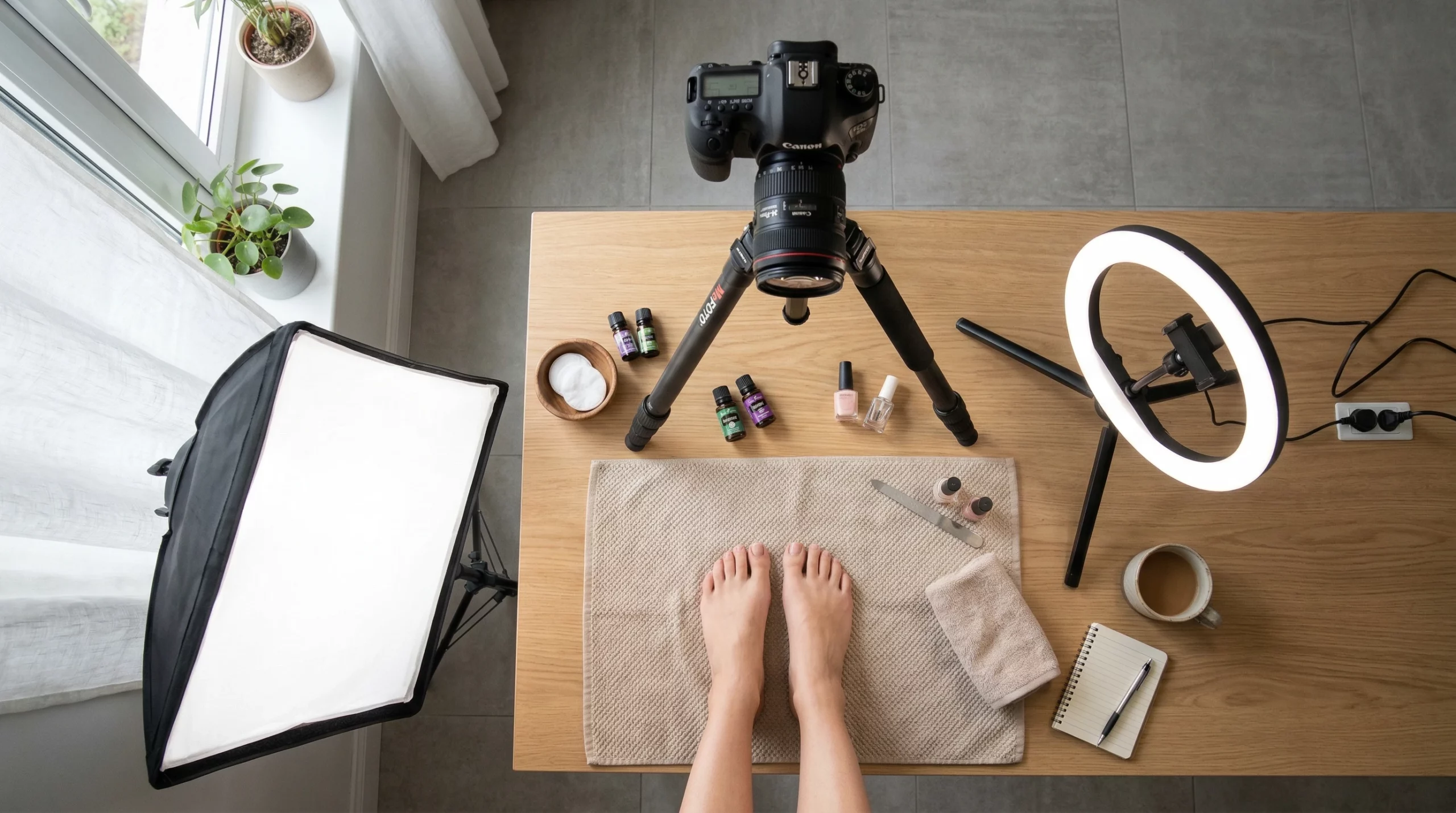
Shooting foot content for social media, product reviews, or creative projects can be surprisingly tricky. Lighting is what really takes basic snaps from amateur to scroll-stopping. Since I started experimenting with different setups, my shots turned out way more vibrant and clearer, even using just a phone camera. You don’t need pro studio gear, but knowing a few simple tricks helps you get smooth, flattering results every time. Here’s a collection of lighting setups and practical tips I’ve found handy for making your foot content truly pop.
This post may contain affiliate links. If you click and buy through them, I may earn a small commission at no added cost to you. For more details, see my affiliate disclosure.
Why Lighting Matters for Foot Photography
I’ve noticed that great lighting can hide skin imperfections, bring out textures, and give your shots a clean, polished feel. Soft light reduces harsh shadows and makes skin tones look natural. On the other hand, dim or uneven lighting creates strange shadows and color casts, which isn’t ideal if you want a crisp, professional look. You do not need an expensive studio setup either. These practical lighting hacks for foot photography at home can help you create softer shadows, cleaner highlights, and a more professional atmosphere using everyday spaces.
Amping up your lighting also makes editing a lot easier. Bright, evenly lit images need way less work in Lightroom or your favorite phone app. Spending a little time understanding your options is super useful, whether you shoot at home, outdoors, or on the go. You really can step up your photography with just a bit of know-how, and the difference you see in your images makes it so worth it.
Main Lighting Setups Worth Trying
There are a few basic setups I turn to depending on the vibe I want and what’s available. Each method has its pros and cons, but any of them can help your foot content grab attention online.
Natural Window Light
Sunlight through a window is free and surprisingly flattering, especially for shooting feet. I usually aim for a bright window that doesn’t have harsh direct sun. Diffused natural light gives a soft, glowing look and brings out foot details, like skin texture or nail polish color.
- Best Time: Early morning or late afternoon when sunlight is softer. Midday light can be too harsh unless your window has sheer curtains.
- Trick: If the light feels too sharp, just hang a white curtain or drape a white sheet over the window to soften it.
- Good For: Casual photos, quick phone snaps, or any shot where you want a natural look.
Ring Lights
Ring lights are a go-to option for many creators. The circular LED setup evenly lights up the subject from all directions, reducing shadows and highlighting details. In my experience, ring lights are super easy to adjust, so just pop your foot in the middle or bring the light close for extra brightness.
- Setup: Place your foot in the center or right in front of the ring. You can also angle the ring slightly for directional shadows if you want more drama.
- Brightness: Most ring lights let you pick cool or warm tones, so match the color temperature to the look you want. Warm light gives feet a cozy glow, while daylight is better for showing skin details and true colors.
- Good For: Tutorials, product shots, or closeups that focus on nail art or footwear details.
Softboxes
Softboxes look a little more serious but are honestly really easy to use. They create a super soft, even spread of light that mimics big window light, even at night or on cloudy days. If you have a softbox kit, I suggest placing the box at a 45-degree angle to your foot for realistic shadow and depth.
- Why I Like It: Softboxes knock out harsh shadows and calm down shiny skin spots. I find this setup especially helpful when shooting feet on a reflective surface or with glossy shoes.
- Placement: One softbox is usually enough, but if you want a full studio vibe, you can add a second softbox or bounce light from the other side using a simple foam board.
- Good For: Editorial foot content, moody backdrops, and any situation where you want a very controlled look.
If you are ready to improve your setup further, investing in the right lighting equipment for content creators can dramatically improve clarity, skin tone accuracy, and overall production quality.
Quick Setup Guide for Different Budgets
Getting better lighting doesn’t mean spending tons of money. Here’s what worked for me across different price ranges:
- Free (& Easy): Find the biggest window in your place, add a white curtain, and use a reflector (even a sheet of white paper) to bounce light.
- Budget-friendly: Phone clip-on ring lights or small ring setups from online stores are under $30 and pack a punch. Combine with your window for extra pop.
- Slightly Upgraded: Entry level continuous softboxes are around $70 a pair. They come with stands and bulbs, good for regular shooting or if you do unboxing/review content a lot.
Key Tips to Make Feet Look Great Under Any Lighting
Lighting is half the battle, but the way you arrange your setup also makes a big difference. Here are some tricks I rely on for sharp, clean results:
- Keep It Even: Make sure your main light isn’t casting hard shadows. If you see a shadow on one side, bounce light back with a foam board or extra lamp from the opposite direction.
- Use a Clean Surface: Feet pick up the color of whatever they’re resting on. Plain white or pale backgrounds work great for keeping skin tones natural.
- Watch Out for Color Casts: Turn off any overhead lights or nearby lamps that make your foot look green, yellow, or blue. Stick to one main light source to make editing easier.
- Play with Angles: Move your camera and lights around to highlight arch, nail art, or cool footwear. Adding a little shadow under the arch amps up 3D effect.
Another pro tip: If your skin appears too shiny under certain lights, dab on a bit of translucent powder or lotion to cut the glare. This simple step really helps keep your shots looking clean.
Common Challenges & Quick Lighting Fixes
Even with good equipment, a few issues can pop up. Here’s how I usually handle the most annoying ones:
Problem: Shadows in Unwanted Places
Solution: If a toe or heel looks dark, try adjusting the angle of your softbox or ring (raise or lower it slightly). Bouncing a little extra light from below with a reflector wipes out underfoot shadows fast.
Problem: Overexposed Spots
Solution: Spotty highlights come from direct, unfiltered light. Move your subject a foot or two away from your main light or add more diffusion (thin white fabric works great for this).
Problem: Reflections on Skin or Glossy Pedicure
Solution: A polarizing filter for your camera helps, but you can also tweak light placement. Angle softboxes so bright spots don’t bounce straight into the camera lens.
Problem: Dull, Lifeless Tones
Solution: Up the brightness of your main light and add a bit of warmth (most ring lights let you do this). Edit later for “pop,” but get that zippy, clean lighting look first.
Lighting for Outdoor Foot Content
Shooting outside is fun and opens up a ton of creative options, but it brings new lighting challenges, too.
- Find Shade: If you step outside, look for soft, open shade instead of full sun. Shooting in direct sunlight can blow out details and highlight every little flaw.
- Golden Hour: Early morning or just before sunset gives your foot content a rich, warm glow without harsh shadows.
- Carry a Portable Reflector: I’ve honestly used white pizza boxes as reflectors in a pinch. Reflecting sunlight back onto your feet in an even way keeps tricky shadows away.
If you’re at the beach or park, experiment with filtering sunlight through trees or holding up a white t-shirt as makeshift diffusion. A little creativity goes a long way for outdoor lighting.
Common Lighting Questions
Everyone stumbles on a few common questions when starting out. Here’s what I’ve learned with some practical answers:
Question: Can I just use my phone flashlight?
Answer: Phone flashes or flashlights get the job done in a pinch, but the harsh, direct light will create tons of shadows. If it’s your only choice, try diffusing it through a white napkin or tissue and bounce it off a nearby wall to soften the look.
Question: How close should the light be to my feet?
Answer: Close enough to brighten the whole scene, but not so close you get blown-out highlights. About two feet away is usually a safe starting point, so test and tweak until skin and product details look balanced.
Question: Do I need a pro camera for great foot photos?
Answer: Not at all. Lighting does way more heavy lifting than the camera itself. Phones work fine if you set up your lighting right.
Gear Checklist: What You Need to Start
You don’t have to gear up like a production studio right away. Here are the basics I rely on most often, with quick notes on how each piece helps:
- Window or Softbox: For smooth, overall lighting
- Ring Light: For flexible, shadow-free closeup shots
- Reflector or Foam Board: To bounce fill light and fight shadows
- Phone Tripod or Stand: To keep your shot steady and hands free
- Sheer White Curtain: Quick way to soften window glare
Upgrading one or two things over time, like trying a bigger ring light or grabbing a collapsible reflector, is an easy way to make your foot content look sharp without a lot of hassle.
Takeaway: Getting Creative with Your Lighting
Whether you’re just getting started or looking to shake up your usual style, playing around with lighting opens up new possibilities for your foot content. Test a few setups, tweak angles, and see how much difference soft, even light can make. In my experience, good lighting is the real magic trick for standing out. Even smartphone creators can achieve impressive results when lighting is used correctly, especially when paired with techniques for taking professional foot photos with just your smartphone.